
At the beginning of 2024, my friend John and I set out to create a portrait of our friends living life in New York City. We were to photograph and interview each subject in their home, and turn that into a book. I gave myself a generous year to complete it, and with John as a source of accountability, I was optimistic about my ability to see it through. By last summer, we had shot 6 homes and started laying out the pages, but the to-do list kept growing. By the time we’d be finished shooting all the others on our list, everyone else would want their photos redone, and the endless struggle to align on scheduling would keep us busy for months. Now halfway into 2025, I’m leaving good enough alone.
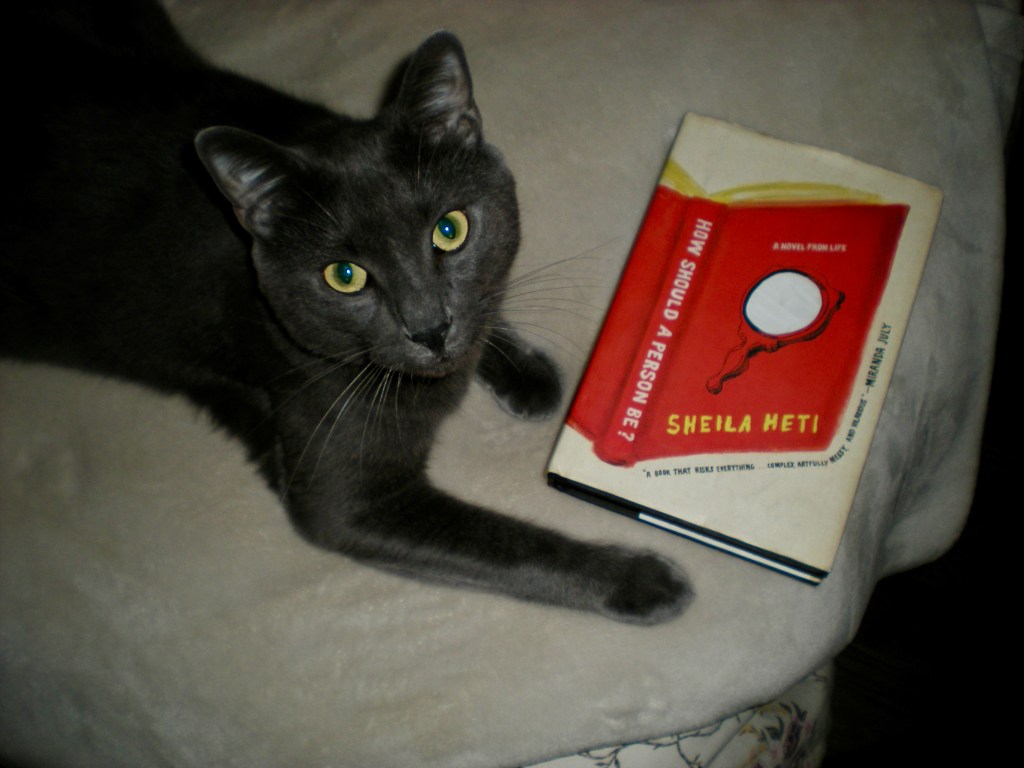
I recently began to reread my favorite book, How Should A Person Be by Sheila Heti, because I had recommended it to my lover as the piece of literature that could teach him the most about my psyche. Fiona aptly compared it to the moment your crush follows you on Instagram, so you pore over your own feed, imagining it from their perspective. Each time I revisit this book, I find glaring synchronicities between the author’s experiences and my own; within this new context, the parallels stood out more than ever.
Our protagonist, Sheila, is studying life. A tortured and unproductive playwright, she desires to write autobiographically, such that when her play is written, she sees her life in it and feels it to be true. Believing that by learning how to live, the play will write itself, Sheila sets out to focus on being. As she vacillates between living and working on her play, she encounters nothing but failure. “But my life keeps changing. My life keeps changing!” Sheila says, exasperated. Reading it, I inhaled sharply, realizing all at once that I’d been doing just that. I was trying to document a life that kept changing.
Each time I returned to this project, I felt as Sheila did: my words weren’t true anymore. Life won’t stop fluctuating, the to-do list growing, the finished parts becoming less and less perfect as time rolls on. It feels plainly obvious as I write this, but I am only now noticing that on the cover of this first edition copy is a hand mirror, and I’m holding it up to my face.
Over the past several months, I’ve had the opportunity to work on many of my little hobbies and passions: reading, writing, yoga, joining a radio station and learning how to DJ, making art, dancing, and loving on friends new and old. But this project hangs over me—as evidence that I am nothing but a puer aeternus, the eternal child, one who chases newness and is psychologically unable to see difficult tasks to completion. Sheila’s Jungian analyst relates her to this figure, much to her horror, but reading through the detailed description, I feel a sense of relief. If I can be pathologized, can I be fixed? I guess I could try.
In beginning this project, I wanted to create portraits of life—to immortalize moments that I was sure would pass too quickly and never come back. A year and a half later, many things have changed, but my thesis still feels true. I have gathered enough evidence of this joyful existence to neutralize the puer aeternus within. I must adapt to this incessant life, rather than trying to stop it from happening long enough to be captured perfectly. With this new resolve, I am proud to introduce: the Yearbook.
Over a series of newsletters, I’ll share a look within the walls of several dear friends who let me and John photograph and interview them. The Yearbook was created under the belief that our friends, our hobbies, and the way we keep our homes are some of the most tangible, concrete manifestations of how we’ve evolved, the stories we’ve collected, and the ways that we’ve found ourselves. Being here in New York where you can become anyone, I’ve had the opportunity to watch my friends only become more themselves. The Yearbook is a tribute to them, to the people we’re becoming together, and to this moment that may end someday—but not just yet.
Yearbook Entries:

